February 3, 2026
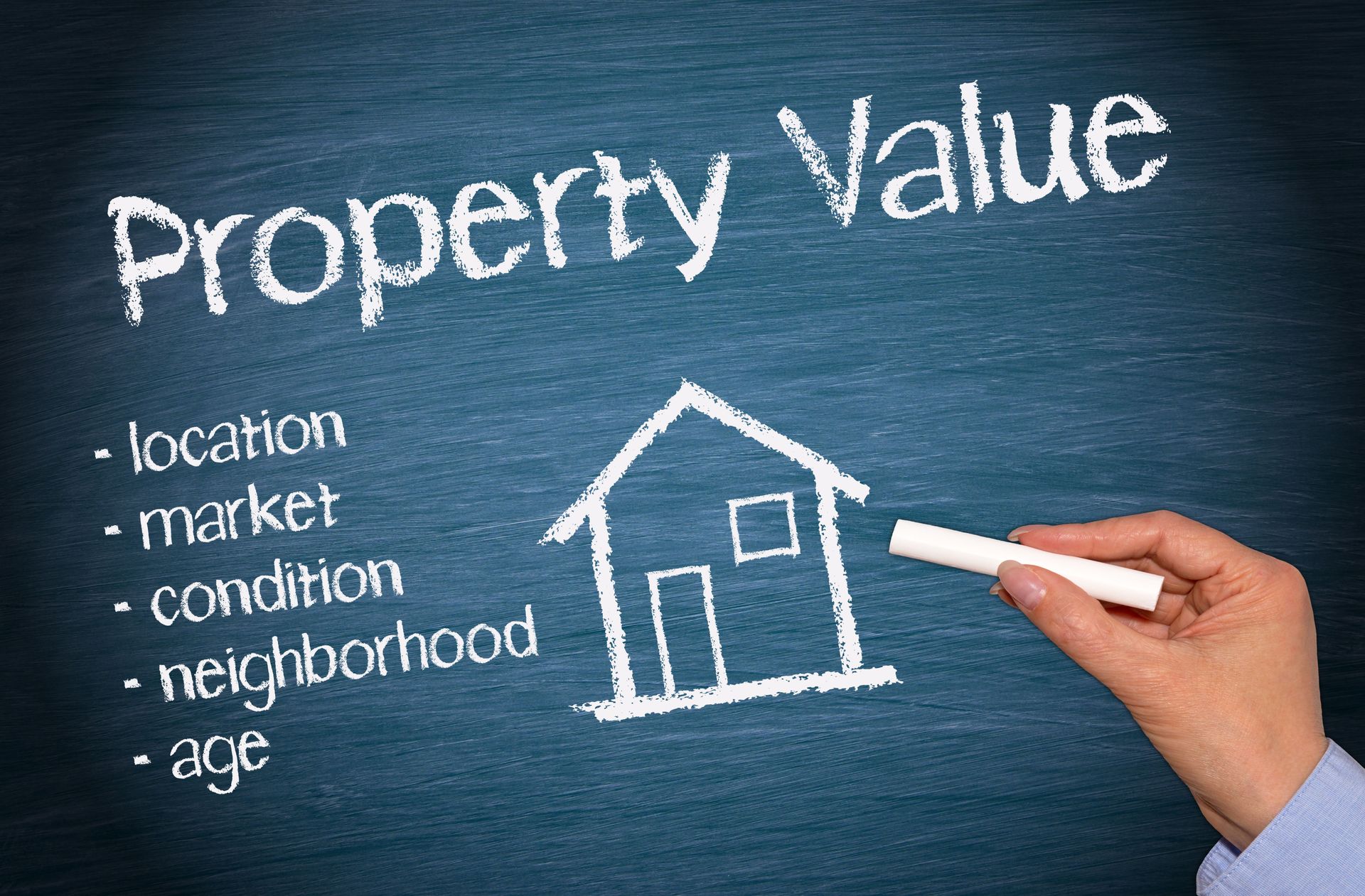
Understanding property appraisals is essential for property owners who want to protect and grow their investment over time. Appraisals influence selling prices, refinancing opportunities, insurance coverage, and long-term financial planning. While many strategies apply to residential properties in general, they are especially impactful for apartment building appraisals, where condition, efficiency, and documentation directly affect valuation outcomes. By approaching improvements strategically and preparing thoroughly, owners can shape how their property is evaluated. The following guide expands on proven methods that support stronger appraisal results while improving usability and long-term value.
1. Improving Curb Appeal and Exterior Presentation
The exterior of a property creates the first impression for appraisers and sets expectations before any interior assessment begins. Clean lines, maintained landscaping, and functional outdoor features signal ongoing care and responsible ownership. Well-defined walkways, trimmed greenery, and visually balanced facades all contribute to perceived value. According to How Stuff Works, home value can increase as much as 15% with professional landscaping.
Routine maintenance such as repainting, roof inspections, gutter cleaning, and surface washing helps prevent visible deterioration that can lower an appraisal. Exterior lighting also plays a role, enhancing safety while highlighting architectural details during evening evaluations. Seasonal upkeep demonstrates consistent management rather than reactive repairs. A polished exterior reassures evaluators that the property has been well maintained over time, which often carries positive weight throughout the appraisal process.
2. Modernizing Interior Spaces for Functional Appeal
Interior updates significantly influence how appraisers assess livability, efficiency, and market relevance. Kitchens and bathrooms often receive particular attention because of their replacement cost and daily importance to occupants. Updated cabinetry, modern fixtures, durable countertops, and efficient layouts create a strong impression of quality and usability.
Open floor plans, consistent finishes, and neutral color palettes help spaces feel larger and more adaptable. These upgrades are especially important in apartment building appraisals, where consistency across units supports smoother evaluations and stronger income-based assumptions. Updated interiors also signal reduced near-term capital expenditures, which can positively influence valuation models.
3. Upgrading Core Systems and Infrastructure
Mechanical systems are a critical component of property value because they affect comfort, safety, and operating costs. HVAC efficiency, electrical capacity, plumbing reliability, and insulation quality are commonly reviewed during an appraisal. Modern systems reduce maintenance concerns and suggest predictable performance.
Smart thermostats, efficient boilers, upgraded electrical panels, and modern water heaters add functional value while demonstrating forward-thinking ownership. In apartment building appraisals, efficient systems can strengthen operating income projections by lowering utility consumption and emergency repair risk. These improvements reinforce the perception of a professionally managed asset.
4. Expanding and Optimizing Usable Living Space
Usable square footage directly influences property value, making space optimization a high-impact strategy. Finished basements, converted attics, repurposed garages, and enhanced outdoor areas all add functional living space when executed correctly and within code requirements.
For apartment building appraisals, clearly defined and compliant living areas increase rental potential and overall asset performance. Additional bedrooms, upgraded laundry areas, storage solutions, and improved common spaces enhance tenant satisfaction and retention. Appraisers often view these improvements as direct contributors to long-term income stability.
5. Preparing Documentation and Property Presentation
Thorough documentation plays a vital role in supporting an appraisal. Records of renovations, permits, warranties, inspections, and maintenance schedules provide concrete evidence of investment and care. Organized documentation allows appraisers to verify improvements quickly and justify value adjustments with confidence.
Presentation is equally important. Professional cleaning, decluttering, and maximizing natural light allow appraisers to assess spaces accurately without distraction. For multifamily properties, consistent unit presentation and complete records streamline the evaluation process and reinforce operational reliability.
6. Working Strategically With Industry Professionals
Experienced professionals offer valuable insight that can improve appraisal outcomes. Pre-appraisal consultations help identify potential weaknesses early, while real estate agents provide guidance on buyer and renter preferences within the local market. Their insight helps owners prioritize improvements that deliver measurable returns.
Contractors and designers ensure upgrades are completed to market standards and local code requirements. Professional input supports realistic expense forecasting, income projections, and long-term planning. This collaborative approach strengthens the credibility of valuation conclusions.
7. Understanding Market Comparisons and Valuation Context
Market awareness ensures that improvements align with neighborhood expectations rather than exceeding them unnecessarily. Reviewing comparable properties helps owners identify where strategic upgrades can create competitive advantages without overinvestment.
This understanding is especially important in multifamily valuation scenarios, where rental rates, vacancy trends, and neighborhood demand heavily influence outcomes. Properties that match market standards while offering operational efficiencies often receive stronger and more defensible appraisals.
8. Leveraging Long-Term Management and Maintenance Strategies
Beyond physical upgrades, long-term management practices play a meaningful role in how value is perceived. Preventive maintenance programs reduce deferred repair risks that can negatively affect valuation. Scheduled inspections, clear service logs, and consistent vendor relationships demonstrate proactive oversight.
Strong management also improves tenant satisfaction, which contributes to stable occupancy and predictable income. Clear communication systems, timely response to maintenance requests, and well-defined operational procedures reflect positively on overall performance. Appraisers often recognize stability and organization as indicators of lower risk.
9. Enhancing Sustainability and Operational Efficiency
Sustainability features are increasingly relevant in modern valuation practices. Water-efficient fixtures, LED lighting, high-efficiency insulation, and renewable energy solutions can reduce long-term operating costs. These upgrades may also align with evolving tenant expectations and regulatory standards.
Operational efficiency supports predictable expenses and improved net income over time. When properties demonstrate thoughtful resource management and long-term cost control, they present as resilient investments capable of maintaining value across market cycles.
10. Strengthening Financial Transparency and Income Stability
Financial clarity plays an increasingly important role in how appraisers assess income-producing properties. Clear rent rolls, expense statements, and historical performance data help appraisers evaluate risk and sustainability. When preparing for apartment building appraisals, organized financial records allow evaluators to verify income trends, vacancy rates, and operating efficiency without hesitation. This transparency supports more confident conclusions and minimizes conservative assumptions that can suppress value.
Stable tenancy is another influential factor. Consistent occupancy, reasonable tenant turnover, and documented lease terms demonstrate dependable cash flow. For apartment building appraisals, appraisers often look favorably on properties that show predictable income rather than volatile short-term gains. Long-term leases, diversified tenant mixes, and clear rent escalation policies can all support stronger valuation outcomes.
Expense management also deserves attention. Demonstrating controlled maintenance costs, realistic reserve planning, and responsible vendor contracts reinforces the perception of competent ownership. In apartment building appraisals, well-managed expenses contribute directly to net operating income calculations, which are central to valuation. By pairing strong financial documentation with stable operations, owners present a lower-risk profile that can positively influence appraisal conclusions.
11. Planning for Future Market Shifts
Appraisers also consider how well a property is positioned for future market conditions. Flexibility in unit layouts, adaptability to regulatory changes, and readiness for evolving tenant preferences all signal long-term viability. Properties prepared for change are often viewed as more resilient, supporting steadier valuations over time.
Improving appraisal outcomes requires a balanced approach that combines physical upgrades, operational efficiency, and careful preparation. Enhancing curb appeal, modernizing interiors, upgrading systems, expanding usable space, and maintaining thorough documentation all contribute measurable value. These strategies are particularly effective for income-producing properties where performance and condition are closely evaluated. By aligning improvements with market expectations and long-term performance goals, property owners position themselves for stronger valuations and more sustainable financial success. Contact A-Credited Realty Advisors today to get connected with our appraisal services.