July 6, 2026
In the modern hospitality landscape, the success of a dining establishment is no longer tethered solely to the quality of the food on the plate. Instead, a complex interplay of sensory, social, and service-oriented factors defines how customers perceive value and, consequently, how the market perceives the underlying asset during a restaurant building appraisal. Owners and investors are beginning to understand that the holistic "vibe" of a location is a tangible driver of revenue and long-term stability. According to the National Restaurant Association, 64% of full-service restaurant diners and 47% of limited-service diners say the overall experience matters more than the price of the meal. This shift in consumer behavior necessitates a deeper look into how non-culinary elements contribute to a brand's legacy and its fiscal health.
Creating a memorable experience is both an art and a science, requiring meticulous attention to detail from the front door to the final check. When a facility is optimized for guest comfort and operational flow, it naturally commands a higher presence in its local market. This excellence in execution is often what separates thriving icons from struggling ventures when professionals conduct a restaurant building appraisal. By focusing on the components of ambiance, service, and technology, operators can build a resilient business model that thrives regardless of economic fluctuations. This article explores the specific pillars that elevate a simple meal into a valuable experience worth repeating.
Ambiance and the Physical Environment
The Impact of Interior Design and Lighting
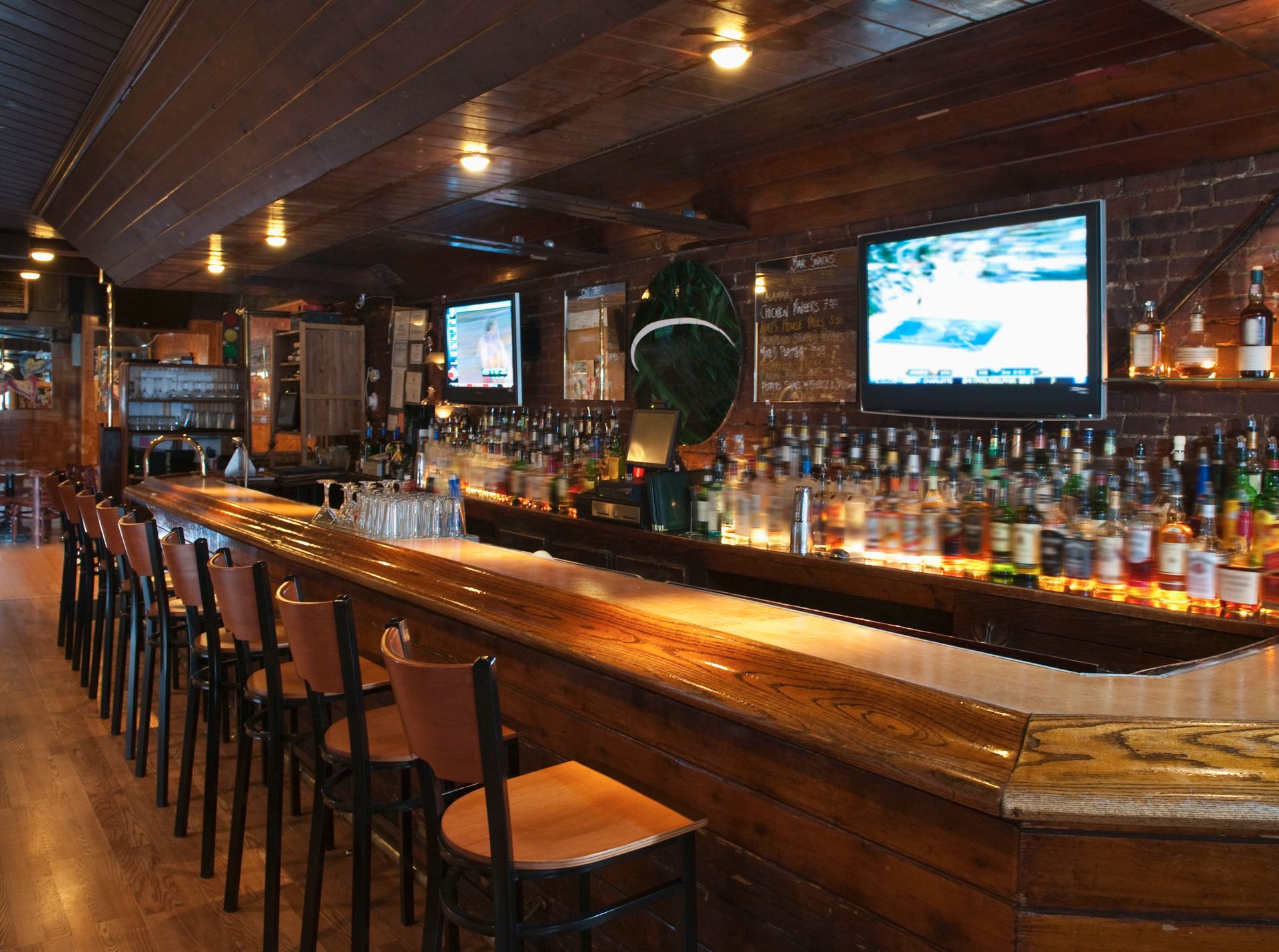
The physical environment is the first point of contact between a brand and its guest, setting the psychological stage for everything that follows. Interior design should not merely be aesthetic; it must be a functional extension of the restaurant’s core narrative, whether that is high-end elegance or rustic comfort. Strategic lighting further refines this atmosphere, using warmth and shadows to guide the diner’s focus and mood throughout the evening. These physical assets are critical because they represent the "bones" of the operation, which are central factors analyzed during a restaurant building appraisal. A well-maintained and thoughtfully designed interior suggests a level of care that translates directly into perceived consumer value.
Acoustics and Climate Comfort
Beyond what is seen, what is felt and heard plays a massive role in guest retention and overall satisfaction. Proper acoustic treatment ensures that a room feels energetic without becoming deafening, allowing for the private conversations that define intimate dining. Similarly, a robust climate control system is a silent necessity that ensures guests remain comfortable regardless of the external weather. If a building's infrastructure is failing to provide these basic comforts, it can negatively impact the income potential of the site. Such infrastructure quality is a major consideration in any comprehensive restaurant building appraisal, as it dictates the immediate usability of the space.
The Human Element: Service and Hospitality
Professionalism and Staff Expertise
While the building provides the shell, the staff provides the soul of the dining experience through consistent and professional service. Knowledgeable servers who can navigate a wine list or explain complex culinary techniques add a layer of sophistication that justifies premium pricing. This human interaction creates an emotional bridge between the guest and the establishment, fostering a sense of being "seen" and valued. Efficiency is equally important, as even the most beautiful room cannot compensate for long waits or cold food. When service is seamless, it reflects an operation that is running at peak efficiency, which is a hallmark of a high-value business.
Personalization and Conflict Resolution
Personalization is the next frontier of hospitality, where staff go beyond standard protocols to acknowledge individual preferences and milestones. Remembering a regular's favorite table or accommodating a specific dietary restriction transforms a transaction into a relationship. Furthermore, the way a restaurant handles the inevitable mistake can often be more impactful than a perfect night. Graceful conflict resolution proves that the management is committed to the guest’s happiness above all else. This level of operational maturity is exactly what investors look for when evaluating the stability and growth potential of a culinary property.
Culinary Innovation and Consistency
Ingredient Quality and Menu Vision
The menu remains the heart of the operation, but its value is now tied to transparency and the sourcing of high-quality ingredients. Modern diners are educated and often prioritize local, sustainable, or organic options that tell a story of regional pride. A creative menu design that balances innovative risks with comforting staples keeps the brand relevant in a crowded marketplace. By maintaining high standards for every ingredient, a restaurant builds a reputation for quality that acts as its most powerful marketing tool. This reputation for excellence is a significant intangible asset that carries weight in a restaurant building appraisal.
The Art of Presentation and Taste
Taste is the ultimate arbiter of success, but presentation is what creates the "wow" factor that guests share with their social circles. Plating is a visual promise of the flavors to come, and when executed with precision, it elevates the perceived value of the ingredients. A harmonious flavor profile ensures that the guest's sensory experience is consistent from the first bite to the last. Consistency is the key here; a restaurant must be able to deliver the same high-level experience on a Tuesday afternoon as it does on a Saturday night. This reliability is what builds the brand equity that survives for decades.
Technology and Modern Convenience
Streamlining the Guest Journey
In the digital age, the dining experience often begins on a smartphone long before the guest arrives at the physical location. Seamless online reservation systems and intuitive digital menus reduce friction and make the establishment more accessible to a tech-savvy demographic. Tabletop technology and mobile payment options further enhance this by giving guests control over their time and the pace of their meal. These technological integrations are not just gimmicks; they are essential tools for modern operational efficiency. An up-to-date technological infrastructure is a sign of a forward-thinking business, which adds to the intrinsic worth found in a restaurant building appraisal.
Feedback Loops and Data Integration
Technology also allows restaurants to gather and act on guest feedback with unprecedented speed and accuracy. Automated survey systems and social media monitoring provide real-time insights into what is working and what needs immediate adjustment. This data-driven approach allows for constant refinement of the guest experience, ensuring the brand never becomes stagnant. By treating the restaurant as a living, evolving entity, owners can ensure they are always meeting the shifting demands of the market. This adaptability is a key indicator of long-term financial health and asset stability.
The value of a restaurant meal is a tapestry woven from threads of design, service, technology, and culinary skill. Each of these elements must work in harmony to meet the rising expectations of today’s discerning diners who prioritize the experience over the invoice. By viewing the restaurant as a holistic asset, owners can make strategic improvements that pay dividends in both customer satisfaction and property value. Whether you are looking to sell, refinance, or simply improve your market position, understanding these dynamics is essential. Focusing on the total experience ensures that your establishment remains a landmark of quality and a sound financial investment for years to come. For more information on restaurant building appraisals, contact A-Credited Realty Advisors.