
May 7, 2026
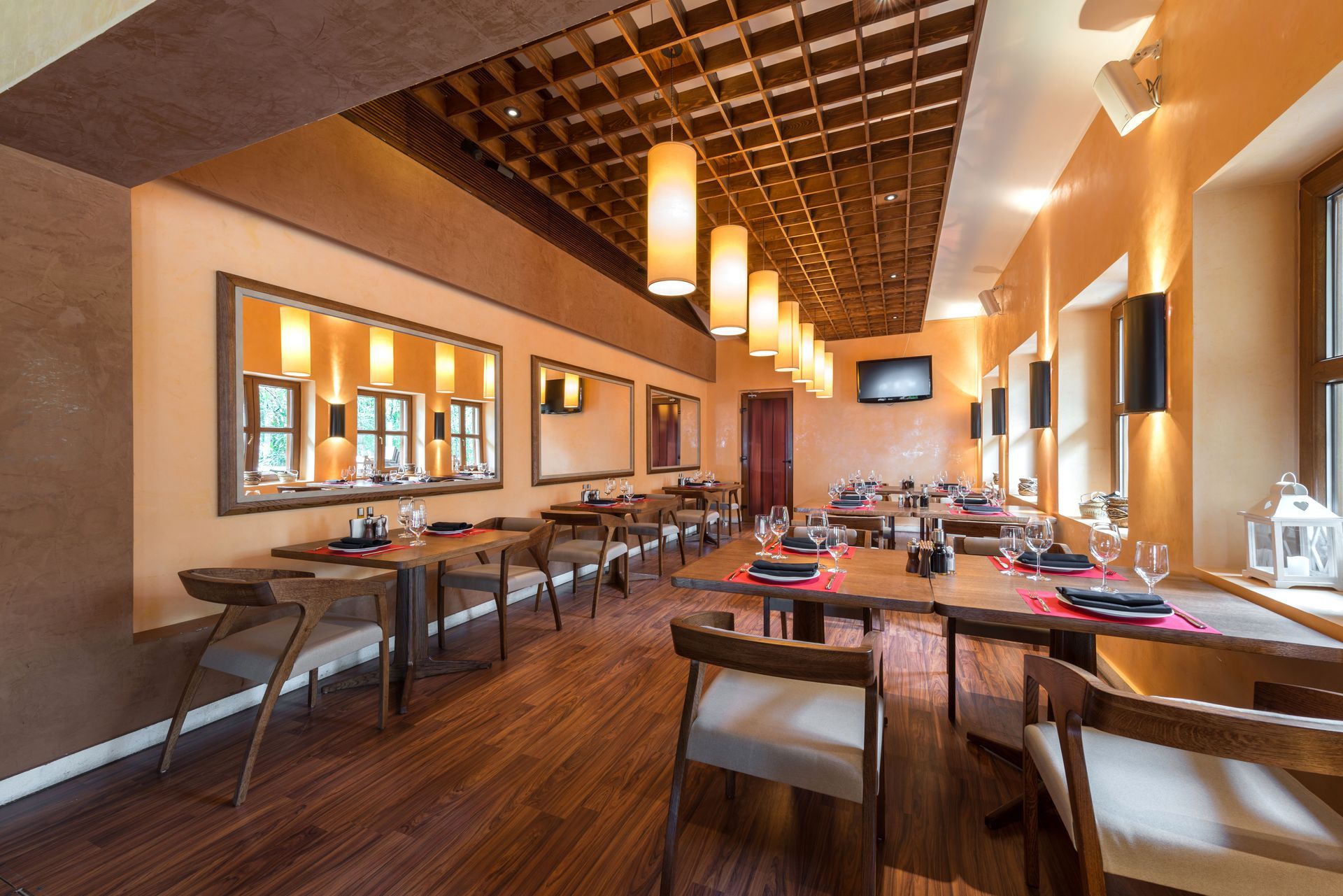
The culinary industry is a vibrant, dynamic, and ever-evolving landscape that captures the hearts and appetites of consumers nationwide. Despite economic fluctuations and shifting consumer habits, the allure of a great meal shared with family and friends remains a cornerstone of our culture. In fact, the demand for quality dining experiences is undeniably robust. According to the National Restaurant Association, 90% of adults report that they enjoy dining out. For investors, restaurateurs, and developers, this staggering statistic represents a massive opportunity. However, capitalizing on this demand requires much more than a groundbreaking menu and a talented executive chef. It requires a meticulous strategy regarding commercial real estate.
Building or buying a culinary space is one of the most capital-intensive ventures in the commercial real estate sector. The success of your enterprise hinges fundamentally on two critical pillars: the "where" and the "when." Making informed decisions about these two factors can mean the difference between a thriving local hotspot and a costly vacant property. To navigate these high-stakes decisions, astute investors rely on comprehensive restaurant building appraisals to provide an objective, data-driven foundation for their investments.
The "Where": Analyzing the Geography of Success
When it comes to commercial real estate, the age-old adage of "location, location, location" is never more applicable than in the restaurant industry. The "where" of your restaurant building encompasses a broad spectrum of variables, starting with macroeconomic geography down to the micro-specifics of a street corner.
First, demographic analysis is paramount. Does the surrounding population match your target customer base? A high-end, fine-dining steakhouse will require a vastly different demographic profile than a quick-service drive-thru or a trendy, fast-casual vegan cafe. You must evaluate the median household income, age distribution, and lifestyle preferences of the immediate radius. Furthermore, assessing the daytime vs. nighttime population is crucial. A downtown location might thrive on corporate lunch crowds but become a ghost town after 6:00 PM, whereas a suburban neighborhood center might see its peak hours during evening dinner rushes and weekends.
Second, visibility and accessibility cannot be overstated. A restaurant situated on a highly visible corner lot with a robust traffic count will inherently possess a higher intrinsic value than one tucked away in the back of a labyrinthine retail plaza. Ingress and egress, the ease with which vehicles can enter and exit the property, play a massive role in consumer convenience. If a hungry driver finds it too difficult to turn into your parking lot across a busy divided highway, they will simply continue driving to a competitor. When conducting restaurant building appraisals, commercial valuation experts meticulously analyze these geographic and demographic factors, quantifying how foot traffic, vehicular counts, and neighborhood accessibility directly translate into property value.
The Intricacies of Zoning and Physical Footprint
Beyond the broad geographic location, the "where" also involves the specific physical footprint and the regulatory environment of the site. Zoning laws are incredibly strict when it comes to food service establishments. You must ensure that the municipality allows for commercial food preparation, alcohol sales (if applicable), and specific operational hours. Furthermore, parking ratios are heavily scrutinized. Municipalities often require a specific number of parking spaces per seat or per square foot of dining space. A building that lacks adequate parking may require costly variances or could be deemed unviable for restaurant use altogether.
Additionally, the physical infrastructure of the neighborhood matters. Does the location have access to the necessary municipal utilities, such as high-capacity water lines, heavy-duty electrical grids, and natural gas? Restaurants consume significantly more energy and water than standard retail spaces. Retrofitting a building that lacks this basic infrastructure can blow your construction budget out of the water before the framing even begins. Zoning compliance, parking adequacy, and utility access are critical components that heavily influence the final figures in restaurant building appraisals, as any deficiencies in these areas subtract from the overall market value of the site.
The "When": Timing the Market and Construction Phases
If the "where" determines your potential customer base, the "when" determines your financial feasibility and your initial capital outlay. Timing your entry into the commercial real estate market involves evaluating both macroeconomic trends and the micro-timeline of your specific construction project.
From a macroeconomic standpoint, interest rates and inflation play a pivotal role in the "when." If you are financing the construction or purchase of a restaurant building, the prevailing interest rates will dictate your monthly overhead for years to come. In periods of high inflation, the cost of commercial construction materials, from structural steel to specialized kitchen equipment, can skyrocket unpredictably. Astute investors monitor these economic indicators to decide whether it is more prudent to build from the ground up, adaptively reuse an existing retail space, or purchase a second-generation restaurant that already features the necessary infrastructure. Because timing your entry into the market dictates your initial capital requirements, accurate restaurant building appraisals are often requested well before ground is broken to ensure the projected value aligns with current economic realities.
The "when" also applies to the seasonality of your opening. Launching a new restaurant during the slow season for your specific concept can lead to early cash flow problems. For example, opening a sprawling outdoor patio concept in the dead of winter in a northern climate is a recipe for initial hardship. Factoring in permitting delays, supply chain shortages for specialized equipment, and realistic construction timelines is vital for timing your grand opening to coincide with peak consumer demand.
The Complexities of Culinary Infrastructure
One of the primary reasons why restaurant real estate is so complex is the highly specialized nature of the building itself. Unlike a generic office space or a standard retail clothing store, a restaurant is a single-purpose, heavy-use facility. The interior requires a massive amount of specialized, built-in infrastructure.
Commercial kitchens require high-capacity HVAC systems with specialized makeup air units and exhaust hoods to manage heat, smoke, and grease. Plumbing systems must be robust, featuring commercial-grade grease traps to comply with environmental regulations and prevent municipal sewer blockages. Floors must be reinforced and properly sloped for drainage, and walls must be clad in health-code-compliant, easily cleanable materials.
Because these properties are highly specialized and expensive to outfit, restaurant building appraisals require a unique approach compared to standard retail spaces. A standard commercial appraiser might lack the specialized knowledge to accurately value a walk-in freezer, a custom-built wood-fired pizza oven, or an underground grease interceptor. The cost of replacing or installing this infrastructure is vast, and understanding its depreciated value is essential for both buyers and sellers to reach a fair market agreement.
The Importance of Securing Financing and Protecting Your Investment
Whether you are a seasoned restaurant group expanding your footprint or a first-time restaurateur realizing a lifelong dream, securing adequate financing is usually the largest hurdle in the "where and when" of building. Commercial lenders, banks, and private equity investors view restaurants as inherently high-risk ventures. Consequently, they require ironclad assurances that their capital is being deployed into a solid real estate asset.
Banks and lending institutions will strictly mandate thorough restaurant building appraisals to ensure the loan amount is justified by the underlying real estate asset. If a borrower defaults on a commercial loan, the bank needs to know that the physical building can be sold to recoup their losses. An appraisal that accurately reflects the value of the land, the shell of the building, and the specialized culinary build-out is the key to unlocking favorable financing terms. Without a comprehensive valuation from an accredited professional, securing the necessary capital to build or buy at your chosen time and location is virtually impossible.
The Benefits of Partnering with A-Credited Realty Advisors
At A-Credited Realty Advisors, we specialize in delivering precise and comprehensive restaurant building appraisals tailored specifically to the intricacies of the food and beverage industry. Our team utilizes advanced valuation methodologies, including the income capitalization approach and detailed sales comparisons of similar single-purpose culinary properties, to provide you with the most accurate valuation possible.
We proudly serve investors, business owners, and developers, providing the crucial data needed to make confident, profitable decisions. Whether you are wondering where to build, when to buy, or how to secure your financing, reliable restaurant building appraisals provide the definitive roadmap to your success. Contact A-Credited Realty Advisors today to ensure your next restaurant venture is built on a foundation of unshakeable financial clarity.