April 28, 2026
Navigating the landscape of religious real estate requires a nuanced understanding of how value is assigned to sacred spaces. For leadership teams, a church building appraisal serves as a vital benchmark for financial planning and stewardship. This process involves more than just looking at square footage; it requires a specialized approach that respects unique architecture. Understanding these valuation mechanisms helps leadership maintain clarity regarding their physical assets while focusing on their primary community mission.
Assessing the Physical Infrastructure Complexity
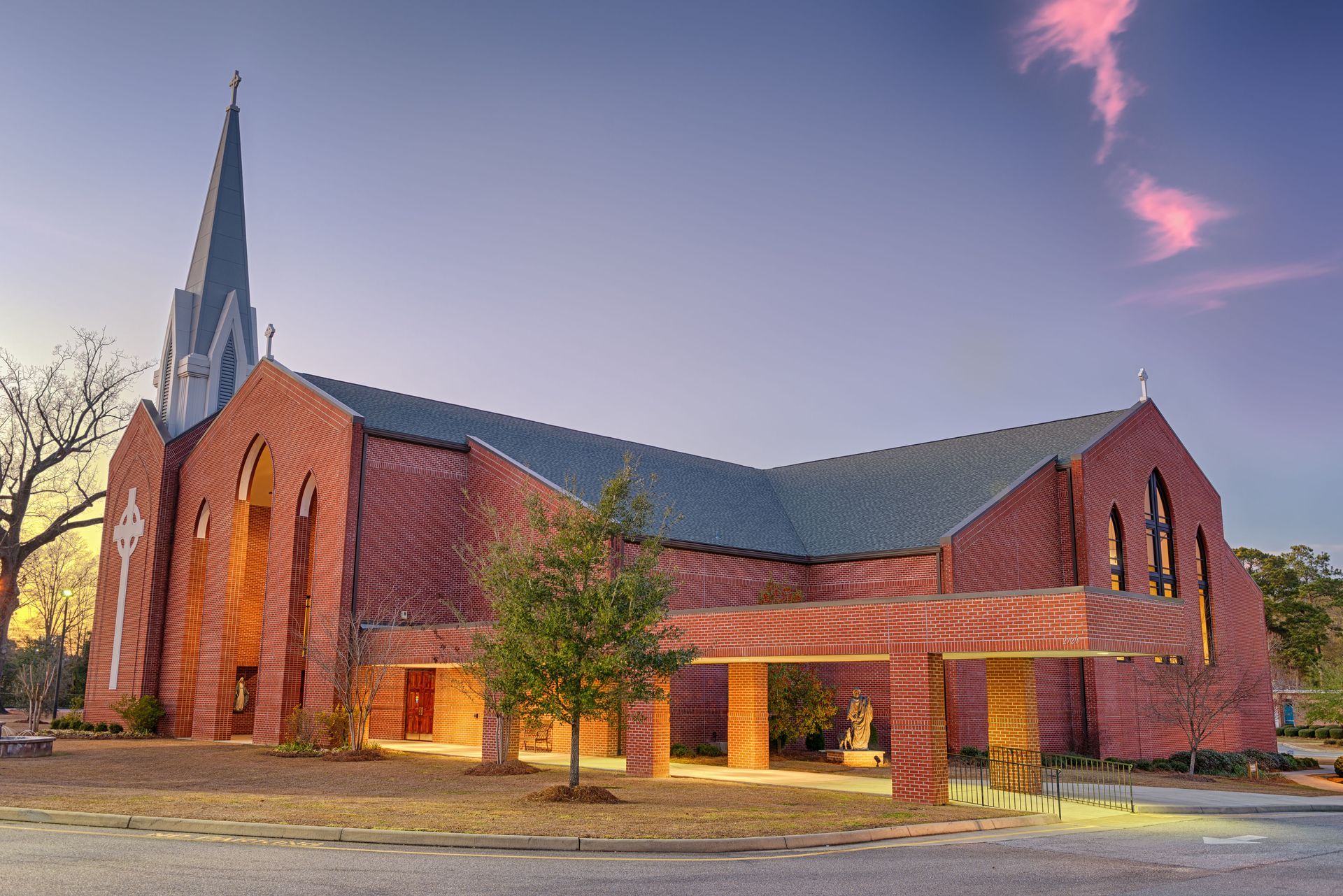
The physical structure of a religious facility often defies standard commercial categories. Unlike a typical office, a house of worship features specialized architecture like vaulted ceilings and fixed pews. These elements create challenges during an appraisal because they represent significant capital investments that may not have direct equivalents in the local market. Appraisers must look beyond standard building codes to identify the artisanal quality of stonework or custom wood carvings that define the space.
Mechanical systems within these structures are frequently customized to handle large gatherings. HVAC systems must manage extreme fluctuations in occupancy, moving from empty rooms to full capacity quickly. During a church building appraisal, the efficiency of these systems is analyzed to determine their remaining useful life and potential maintenance requirements. This technical scrutiny provides an objective look at the hidden infrastructure that supports the congregation’s weekly operations.
According to Colorado Appraisal Consultants, valuations for contemporary houses of worship are intricate since they seldom focus on a single prayer hall; instead, professionals must evaluate expansive, multi-purpose sites that combine educational facilities, operational childcare centers, cafeterias, and office suites within one property. This means each wing might be evaluated under different criteria to reflect its specific utility. Because these secondary spaces often generate separate revenue streams or serve distinct community needs, their individual impact on the total property value is substantial.
Reviewing the Cost Approach Methodology
The cost approach is a primary method used when a church building appraisal is conducted for unique structures. This method calculates the cost to replace the building with a modern equivalent, minus accumulated depreciation. Because religious facilities are not frequently sold on the open market, the cost to reconstruct the sanctuary provides a solid foundation for value. This methodology is often the most reliable way to account for the high replacement costs of specialized religious components.
Depreciation is a critical factor within the cost approach. Appraisers categorize this as physical deterioration, functional obsolescence, or external obsolescence. A professional church building appraisal identifies these areas specifically, giving the organization a clear map of where the building might be losing value due to outdated design or aging materials. Identifying these specific deficiencies allows the organization to prioritize future capital improvement projects based on their impact on value.
Land valuation is the final piece of the equation. The land is valued as if it were vacant and then added to the depreciated cost of the buildings. This distinction is vital for insurance purposes and for strategic planning, as it highlights the inherent worth of the location separately from the physical structures. Often, the land value remains stable or appreciates even when the physical building begins to show signs of age.
Evaluating the Sales Comparison Framework
The sales comparison framework provides a market-based reality check. This involves looking at the sale prices of similar religious properties within a specific geographic radius. The appraiser makes adjustments based on differences in size, age, and condition. This helps ground the church building appraisal in actual market behavior and recent transactional data. Finding truly comparable properties requires a deep dive into regional records and previous religious facility transfers.
The challenge in this framework lies in the scarcity of data. Religious buildings do not trade hands as often as houses, so the appraiser must often look across a broader geographic area. They apply adjustments to account for the passage of time, showing how the property competes with other available options in the region. This comparative lens allows organizations to see how their facility ranks against other similar properties that have recently changed ownership.
The quality of location and site visibility is also adjusted within the sales comparison model. A property on a major thoroughfare often commands a higher value than one in a quiet residential area. By comparing these attributes against recent sales, the appraiser delivers a figure that reflects the true market position of the facility. These site-specific advantages often become the deciding factor when comparing two properties of similar size and condition.
Understanding the Importance of Documentation
A successful valuation relies heavily on the quality of documentation provided by the organization. Appraisers need access to floor plans, site surveys, and records of recent capital improvements. If a new roof was installed recently, these records provide evidence of value retention and help the appraiser move through the process with more precision. Having an organized archive of building permits and blueprints significantly speeds up the on-site inspection phase.
Legal documents such as deeds and current zoning letters are equally important. If there are restrictions on the property that prevent expansion, these must be factored into the final report. An appraisal is a legal document that must withstand scrutiny, and providing a complete package of information helps the professional deliver an accurate report. These documents clarify the boundaries and legal standing of the asset, leaving no room for ambiguity in the final valuation.
The narrative portion of the report ties all the data together. It explains the reasoning behind the chosen methodology and how factors were weighted. This narrative is a valuable tool for leadership, as it explains the strengths and weaknesses of the property, supporting a culture of accountability regarding the organization’s physical assets. Reviewing this narrative allows the board to understand the specific market forces influencing their property’s current worth.
Analyzing the Highest and Best Use
Determining the highest and best use is a cornerstone of professional valuation. This concept examines what use for the land is physically possible, legally permissible, and financially feasible. For many properties, the current use is the most logical fit, yet the church building appraisal must also consider the zoning regulations of the surrounding neighborhood. Evaluating the property as if it were vacant helps to reveal the intrinsic value of the underlying real estate.
Zoning restrictions dictate how a property can be utilized by future owners, which directly influences the final valuation. The process reviews these legal constraints to see if the property could transition to a school or community center. This analysis provides a realistic outlook on the property’s versatility within the local municipality’s long-term urban planning goals. If a property sits in a high-density residential zone, its potential for redevelopment might significantly alter the final appraisal figures.
Financial feasibility plays a major role in this assessment. The appraiser looks at whether the current configuration supports continued operation or if maintenance costs outweigh the benefits. In a church building appraisal, this involves looking at the demand for similar facilities, allowing organizations to understand the economic reality of their holdings. This step is particularly important for older facilities where the cost of modernization may be a factor in long-term viability.
A professional appraisal is an indispensable tool for any organization managing religious real estate. It provides an objective baseline for value, accounting for the unique complexities of mixed-use facilities and specialized architecture. By prioritizing a detailed valuation, leadership can navigate the future with a clear understanding of their property’s worth. Contact A-Credited Realty Advisors today to receive a professional church building appraisal that accurately reflects the full utility of your religious facility.