April 28, 2026
As the professional landscape undergoes a significant shift, hybrid work models are fundamentally redefining how corporate spaces are utilized. This evolution necessitates a comprehensive re-evaluation of the criteria influencing office building appraisals. Understanding these shifting drivers is vital for stakeholders navigating the balance between remote flexibility and physical office presence. By examining how technology, location, economic trends, and occupant wellness impact the commercial sector, property owners can better position their assets in an increasingly competitive market.
Analyzing Remote Work Trends
The transition toward hybrid culture has notably altered the demand for traditional workspaces. Organizations are discovering that expansive footprints are often unnecessary when a significant portion of the workforce operates from home. This realization has sparked a widespread reassessment of square footage needs, with many firms opting for smaller, high-efficiency environments. According to the National Association of Realtors, figures indicate that there are approximately 44 million square feet of vacant office space across the United States. Such a surplus directly influences office building appraisals by recalibrating demand expectations and tenant requirements.
Adapting to Tenant Preferences
Modern tenants are seeking environments that facilitate new work styles, prioritizing quality and adaptability over sheer size. Offices that provide a thoughtful blend of collaborative zones and quiet, individual workspaces are seeing increased interest. This shift in preference is a major factor in office building appraisals, as the perceived utility of a space now hinges on its ability to evolve alongside a company's needs. When tenants demonstrate a willingness to pay a premium for adaptable environments, it signals a fundamental change in how commercial properties are valued in a post-pandemic economy.
Managing Vacancy and Layouts
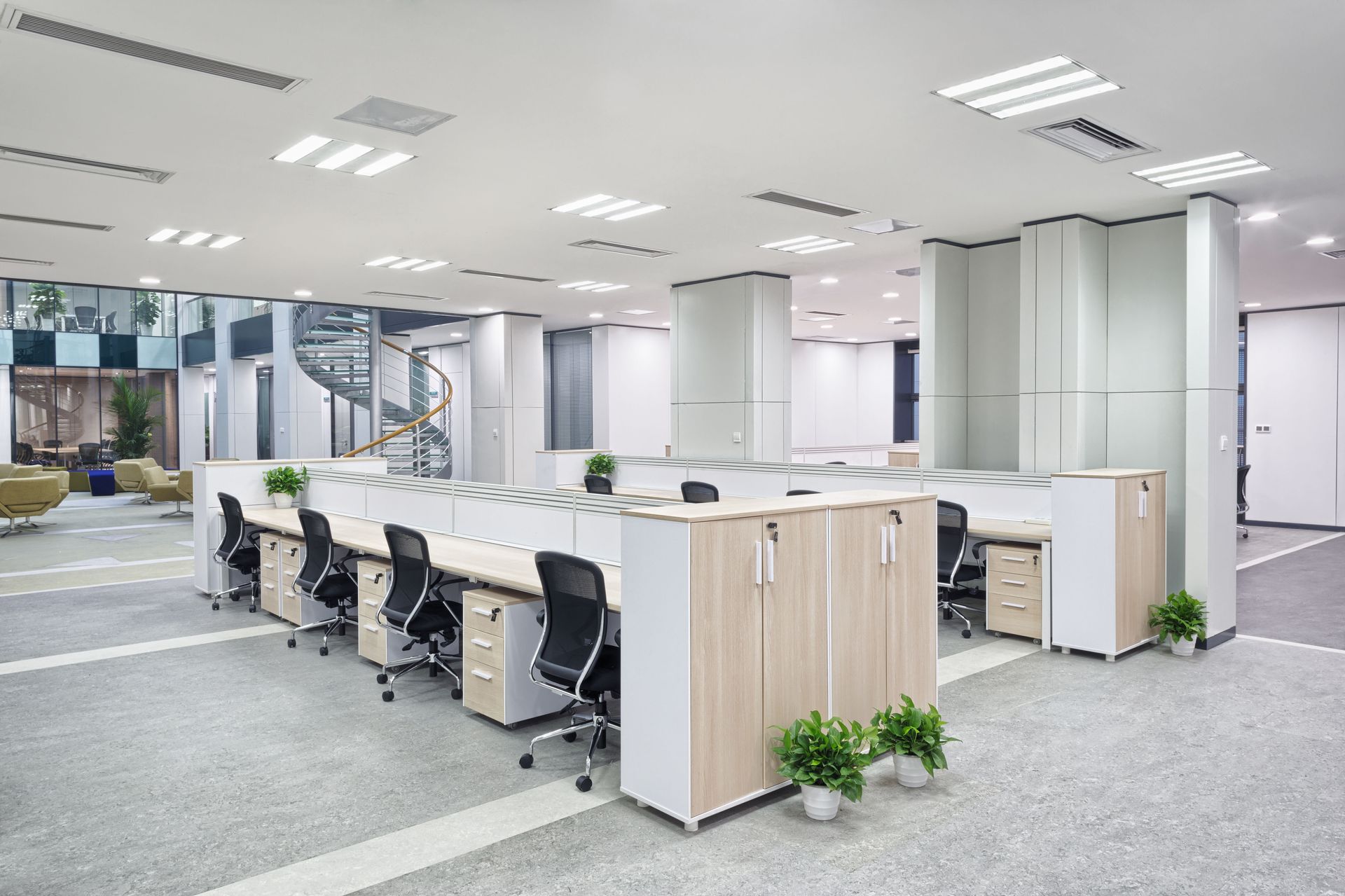
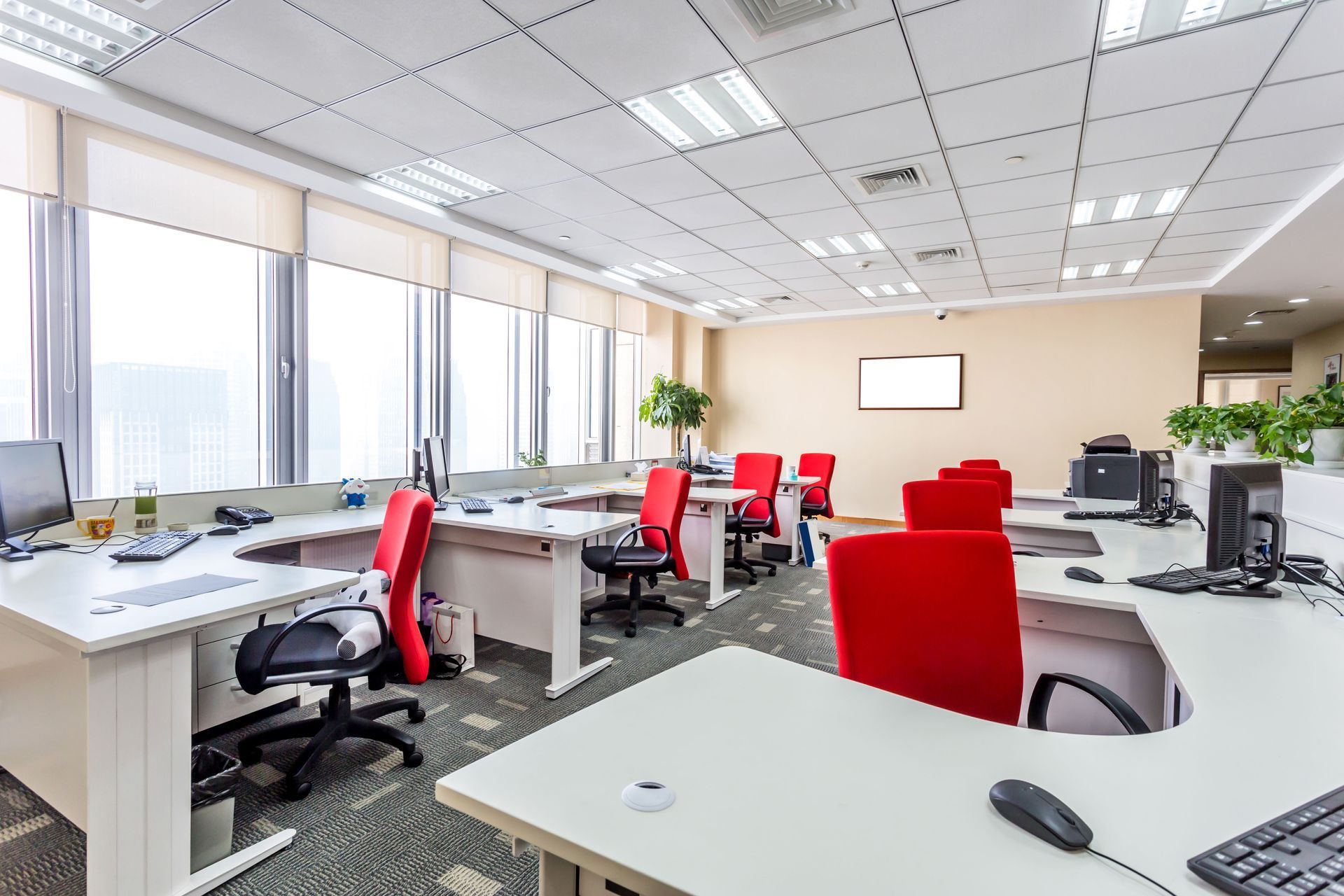
With the general reduction in corporate footprints, vacancy rates have become a primary concern for investors. As companies downsize, large-scale traditional layouts often remain underutilized, creating an oversupply that can pressure property values downward. To counter this, property owners are reimagining interior designs to foster the kind of productivity and collaboration that cannot be replicated at home. Innovating these spaces is essential for maintaining strong valuations and attracting the modern workforce.
Valuing Location and Accessibility
Despite the rise of remote work, the geographic placement of an office remains a cornerstone of its value. Proximity to residential hubs has gained new importance, as hybrid models prioritize shorter, more efficient commutes. Employees favor locations that allow for a better work-life balance, particularly those situated in vibrant districts with local amenities. These geographic factors continue to be heavy influencers in office building appraisals, proving that a prime location remains a timeless asset.
Facilitating Public Transportation Access
Easy access to transit options remains a highly sought-after feature for commercial tenants. Even with a reduction in daily commuting frequency, the flexibility offered by robust public transportation enhances a property's desirability. As environmental concerns drive more people toward transit-oriented lifestyles, offices served by reliable public systems continue to see strong appraisal values. Investors and urban planners remain focused on ensuring that prospective sites meet these evolving accessibility demands.
Reducing Commute Times
Short, efficient commutes are directly linked to higher employee satisfaction and retention. As hybrid trends continue to stabilize, companies are targeting spaces that offer quick access from major residential corridors. This focus on commute-ability augments the desirability of a building. Properties that solve transportation challenges for their tenants through optimal positioning are likely to maintain higher valuations even as the broader market fluctuates.
Navigating Economic Factors and Market Conditions
Assessing the value of a commercial asset requires a deep understanding of current real estate market trends. The dynamic nature of the economy, driven by the push and pull of supply and demand, heavily influences the outcome of office building appraisals. The surplus of unused space mentioned by the National Association of Realtors exemplifies a market in a state of transition. Accurate valuations require a sharp awareness of these circulating economic drivers.
Understanding Interest Rates and Financing
Interest rates significantly impact real estate financing and the subsequent valuation of office properties. While lower rates can make borrowing more attractive and stimulate demand, market volatility can create fluctuations in how properties are appraised. Because financing is a cornerstone of the real estate industry, stakeholders must navigate these shifts with precision. Balancing interest rate trends against property value dynamics is essential for any successful investment strategy.
Tracking Employment and Stability
The health of the office market is inextricably linked to broader employment rates. High employment generally leads to an increased need for physical space as businesses scale, which supports higher appraisals. Conversely, economic downturns can suppress demand. With the definitions of "workplace" evolving, appraisals now hinge on forecasting occupancy trends and understanding how employment data translates to physical desk requirements.
Implementing Building Customization and Flexibility
The ability to tailor a workspace to specific functional needs is a major driver of value in the hybrid era. Modular office designs allow for the quick reconfiguration of layouts to accommodate fluctuating team sizes or project-based needs. This inherent flexibility is highly prized by diverse tenants and reflects positively on building valuations. As businesses pivot more rapidly than ever before, modularity ensures that an office remains a relevant and productive tool.
Offering Flexible Leasing Structures
Tenant expectations have shifted away from rigid, long-term commitments toward more adaptable lease agreements. Companies frequently seek shorter terms or options for easy scalability to match their uncertain space requirements. Buildings that accommodate these flexible structures tend to be more attractive to the modern market, which is reflected in stronger office building appraisals. Recognizing this trend is a strategic advantage for any property owner.
Exploring Multi-Use Capabilities
Properties that can serve a variety of functions—combining office, retail, or even residential elements—often see increased market worth. These versatile environments cater to a modern lifestyle where work and personal time are more integrated. Appraisers recognize that multi-use potential reduces risk and broadens the appeal of an asset, making it a powerful driver in enhancing the final appraisal outcome.
Focusing on Health and Wellness Considerations
Modern evaluations are increasingly incorporating wellness features as key indicators of a building's quality. Standards for indoor air quality, for example, have become a major point of interest for health-conscious tenants. Enhanced ventilation and the maximization of natural light contribute significantly to employee well-being and productivity. Properties that prioritize these human-centric design elements often gain a competitive edge in the valuation process.
Designing Collaboration and Communal Zones
The presence of vibrant communal spaces is essential for fostering the face-to-face interactions that hybrid work seeks to preserve. Tenants value the ability to offer their employees a social work environment that justifies the trip to the office. As the hybrid model emphasizes synchronous collaboration, spaces designed specifically for group interaction have become critical components of a property's worth.
Promoting Occupant Well-being
Features such as on-site fitness centers, ergonomic designs, and mental health-focused enhancements are in high demand. These offerings address the holistic health of the workforce, creating a more desirable workplace. As wellness-centric designs become a standard expectation for premium office spaces, appraisals are responding by reflecting their enhanced utility and tenant retention potential.
As hybrid work models become the standard, the factors driving appraisals continue to pivot toward flexibility, technology, and wellness. The future of commercial real estate lies in the ability to innovate and meet the dynamic needs of a modern workforce while maintaining traditional real estate fundamentals.
Navigating this complex market requires expert insights and precise valuations. Whether you are dealing with apartment buildings, industrial warehouses, retail and shopping Centers, or specialized properties like gas stations and hotel/motel appraisals, having the right data is essential. For comprehensive and detailed office building appraisals, contact the experts at A-Credited Realty Advisors to ensure your property is positioned for success in today's evolving economy.